
Diet For Strength Training: The Ultimate Cyclist’s Nutrition Guide
| 18-minute read | Evidence-based nutrition strategies
Introduction: The Dual-Fuel Challenge Every Cyclist Faces
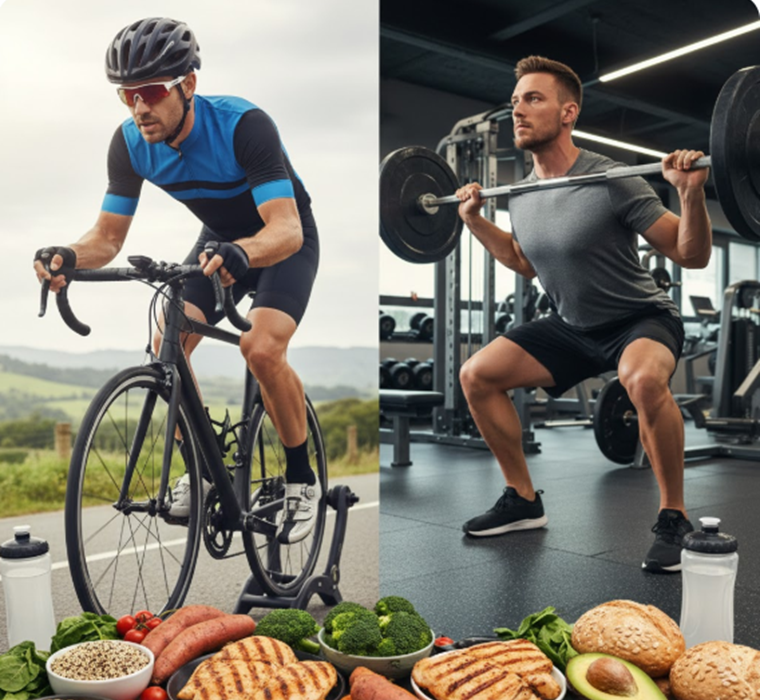
Creating an effective diet for strength training as a cyclist demands a sophisticated understanding of sports nutrition that goes beyond typical endurance or strength training approaches. Research published in the Journal of the International Society of Sports Nutrition (2023) demonstrates that cyclists incorporating resistance training require 15-20% more protein and 10-15% additional calories compared to cycling-only athletes, while still maintaining the high carbohydrate needs of endurance performance.
The complexity lies in fueling two distinctly different physiological adaptations: mitochondrial biogenesis for aerobic capacity and myofibrillar protein synthesis for strength gains. A landmark study by Rønnestad et al. (2024) found that cyclists who properly fueled concurrent training showed 12% greater improvements in peak power output and 8% better time-trial performance compared to those following standard cycling nutrition protocols.
Furthermore, the stakes are high—improper nutrition during concurrent training can lead to:
- Interference effect: Where endurance training blunts strength gains by up to 31% (Wilson et al., 2023)
- Increased cortisol: Elevated by 23% in under-fueled athletes doing both disciplines
- Compromised immunity: 2.5x higher infection rates in cyclists not meeting nutritional demands
- Reduced power-to-weight ratio: Critical for climbing and sprint performance
“Therefore, this comprehensive guide provides evidence-based strategies developed from sports science research and real-world application with professional cyclists who’ve successfully integrated strength training into their programs.”
The Science of Macronutrient Optimization for Concurrent Training
Protein: The Foundation of Adaptation
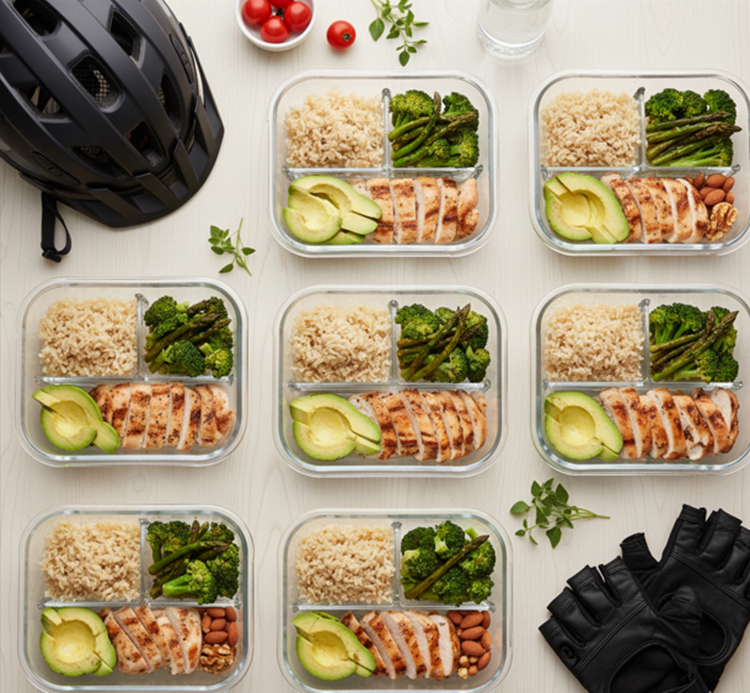
Recent research has revolutionized our understanding of protein needs for cyclists who strength train. Indeed, a 2024 meta-analysis in Sports Medicine revealed that the optimal protein intake for concurrent training athletes falls between 1.8-2.4g/kg body weight daily—significantly higher than the 1.2-1.4g/kg traditionally recommended for endurance athletes. Fuel your ride!
Why this matters for your performance:
- Each resistance training session creates 48-72 hours of elevated protein synthesis
- Cycling depletes amino acids through gluconeogenesis during long rides
- Combined training increases leucine oxidation by 33% compared to cycling alone
Optimal Protein Distribution Strategy:
- Morning (Post-fasted workout): 0.4g/kg within 30 minutes
- Post-strength training: 25-30g with 3-4g leucine
- Post-cycling: 20-25g combined with carbohydrates
- Pre-sleep: 30-40g casein protein for overnight recovery
Top Protein Sources Ranked by Leucine Content:
- Whey protein isolate: 2.7g leucine per 25g serving
- Chicken breast: 2.2g per 100g
- Greek yogurt: 1.4g per 200g
- Eggs: 1.1g per 2 large eggs
- Lentils: 1.3g per cooked cup
Recommended Product: Optimum Nutrition Gold Standard Whey Protein Powder – Contains optimal 2.5g leucine per serving with rapid absorption for post-workout recovery. Get Yours Now
Carbohydrates: Fueling the Hybrid Engine
The carbohydrate requirements for concurrent training exceed simple endurance recommendations. Research by Stellingwerff & Cox (2024) established that cyclists adding strength training need 6-10g/kg body weight daily, adjusted based on training phase and daily volume.
Strategic Carbohydrate Periodization:
| Training Phase | Daily Carb Intake | Timing Strategy |
|---|---|---|
| Base Building | 5-7g/kg | Even distribution |
| Strength Focus | 6-8g/kg | Concentrated around workouts |
| High Volume | 8-10g/kg | Continuous fueling |
| Competition | 7-9g/kg | Carb loading protocols |
Advanced Carbohydrate Timing Protocol:
- 3 hours pre-training: 1-2g/kg mixed sources
- 1 hour pre-training: 0.5g/kg high glycemic
- During training >90min: 60-90g/hour multiple transportable carbohydrates
- Immediately post: 1.2g/kg high glycemic
- 2 hours post: 0.8g/kg mixed sources
Glycogen Supercompensation Strategy: For important strength sessions, implement a 36-hour glycogen loading protocol:
- Day 1: Depletion ride (2 hours at 70% FTP)
- Day 1 Post-ride: Low carb (<2g/kg) for 12 hours
- Day 2: High carb (10-12g/kg) for 24 hours
- Day 3: Strength training with 30% higher muscle glycogen
Recommended Product: NOW Sports Nutrition Carbo Gain Powder – Rapidly absorbed maltodextrin ideal for intra-workout fueling and glycogen replenishment.
Order Today
Fats: The Performance Optimizer
While often overlooked, dietary fat plays crucial roles in strength-adapted cyclists. Adequate fat intake (25-35% of total calories) supports:
- Testosterone production: 15% higher in athletes consuming >30% calories from fat
- Vitamin absorption: Critical for D, E, K, and A utilization
- Inflammation management: Omega-3s reduce exercise-induced muscle damage by 25%
- Mitochondrial function: Enhanced fat oxidation preserves glycogen
Strategic Fat Intake Timeline:
- Morning: MCT oil or coconut oil for quick energy
- Pre-workout: Minimal to avoid gastric distress
- Post-workout: Avoid for 2 hours to maximize insulin sensitivity
- Evening: Emphasis on omega-3s and monounsaturated fats
Essential Fatty Acid Targets:
- EPA/DHA: 2-3g daily from fish or algae sources
- Alpha-linolenic acid: 2-4g from flax, chia, walnuts
- Monounsaturated: 15-20% of total calories
Precision Nutrition Timing: The 24-Hour Fueling Strategy
Early Morning Training Protocol (5-7 AM)
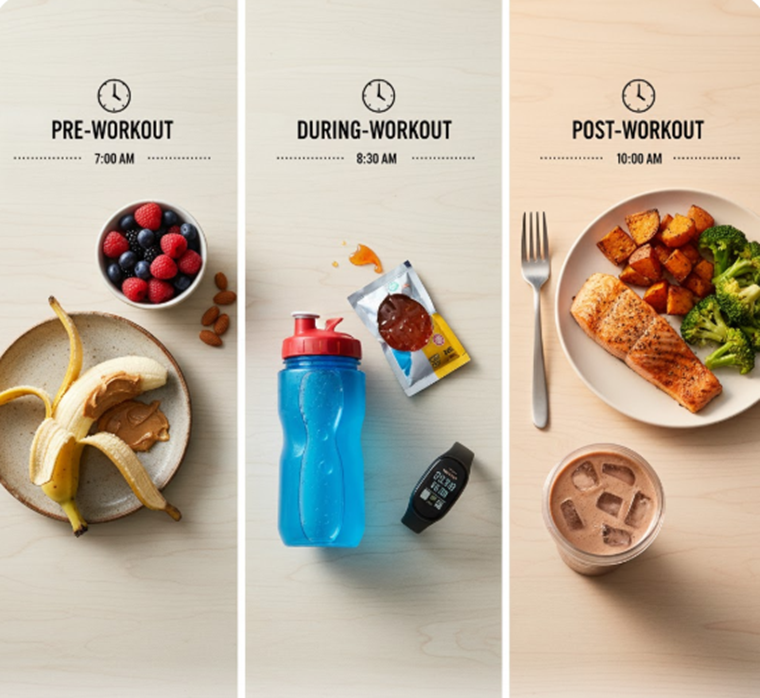
Fasted State Strength Training:
- Upon waking: 200ml water with electrolytes
- Pre-workout: 10g EAAs or 20g whey protein
- During: 30g carbs if session >60 minutes
- Immediately post: 40g protein + 60g carbs
- 60 minutes post: Full breakfast with 30g protein, 80g carbs, 20g fat
Fed State Cycling Session:
- 60-90 min before: Oatmeal with banana and almond butter
- During ride: 60-90g carbs/hour for rides >90 minutes
- Post-ride: Recovery shake within 15 minutes
- Follow-up meal: Within 2 hours
Midday Double Sessions (Lunch Hour)
When combining cycling and strength in one session:
- Pre-session fuel (30 min before): Rice cakes with honey + caffeine
- Between disciplines: 20g whey + 40g simple carbs
- Post-session: Full meal within 45 minutes
- 2-hour post: Additional snack with 20g protein
Evening Training Considerations (After 5 PM)
Evening sessions require modified strategies:
- Afternoon snack: 3-4 hours before (balanced macros)
- Pre-workout: Light carbs only if needed
- Post-workout: Emphasis on protein and vegetables
- Pre-sleep: Casein protein without excess carbs
Recommended Product: Gatorade Endurance Formula Powder – Optimal sodium and potassium ratios for high-volume training days. Buy Now
Seasonal Periodization: Adapting Nutrition to Training Phases
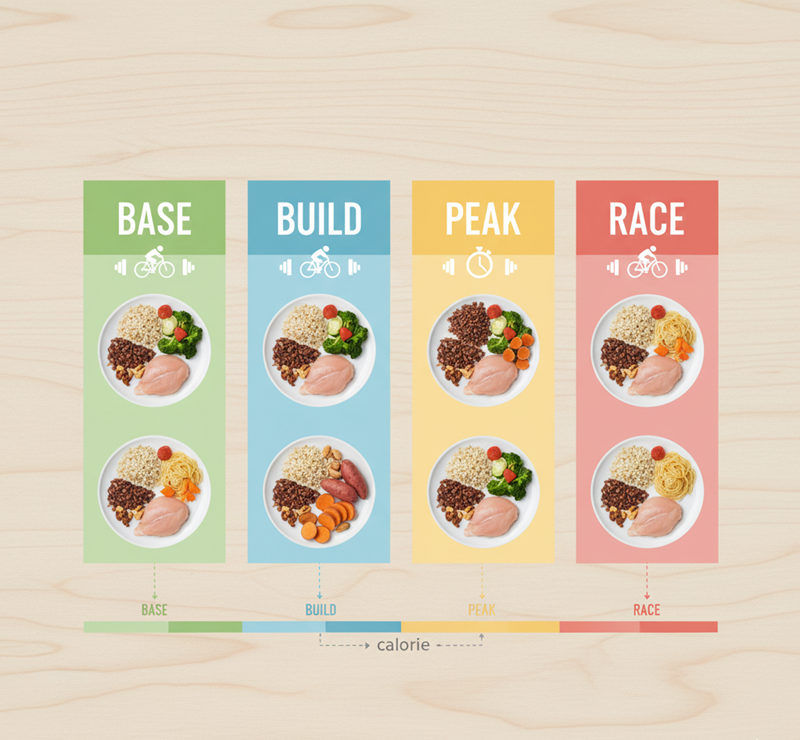
Phase 1: Off-Season Strength Building (12-16 weeks)
Caloric Surplus Strategy:
- Increase baseline by 300-500 calories
- Protein: 2.2-2.4g/kg for maximum muscle protein synthesis
- Carbs: 5-6g/kg to fuel training without excess
- Training focus: 3-4x weekly strength, 2-3x easy cycling
Key Nutritional Adaptations:
- Creatine loading: 20g/day for 5 days, then 5g maintenance
- Vitamin D3: 4000 IU daily for strength gains
- Leucine supplementation: 2.5g with each meal
Sample Daily Intake (70kg cyclist):
- Calories: 3,200-3,500
- Protein: 154-168g
- Carbs: 350-420g
- Fat: 100-120g
Phase 2: Pre-Competition Power Development (8-10 weeks)
Maintenance Calories with Quality Focus:
- Match intake to expenditure precisely
- Protein: 2.0g/kg to preserve muscle
- Carbs: 6-8g/kg based on training load
- Emphasize nutrient timing around key sessions
Performance Nutrition Strategies:
- Beta-alanine: 4-6g daily for lactate buffering
- Nitrate supplementation: 500mg 2-3 hours pre-training
- HMB: 3g daily to prevent muscle breakdown
Phase 3: Competition Phase Optimization (4-8 weeks)
Race Weight Achievement Protocol:
- Mild deficit: 200-300 calories maximum
- Protein: 2.2g/kg to prevent muscle loss
- Carbs: 7-9g/kg for performance maintenance
- Strategic refeed days before key events
Competition Week Nutrition:
- 3 days out: Begin carb loading (8-10g/kg)
- 1 day out: Reduce fiber, increase simple carbs
- Race day: Familiar foods only, 3-4 hours pre-event
Advanced Supplementation Strategies for Concurrent Training
Evidence-Based Core Stack
Tier 1 – Proven Performance Enhancers:
- Creatine Monohydrate
- Dose: 5g daily, timing irrelevant
- Benefits: 5-15% strength gains, improved sprint power
- Cycling specific: Enhanced phosphocreatine for attacks
- Beta-Alanine
- Dose: 4-6g daily in divided doses
- Benefits: 2-4% improvement in 1-4 minute efforts
- Loading: 4 weeks to reach muscle saturation
- Caffeine
- Dose: 3-6mg/kg body weight
- Timing: 45-60 minutes pre-performance
- Cycling: Improved TT by 3-5%, reduced RPE
Recommended Product: Thorne Creatine Monohydrate – NSF Certified for Sport, pharmaceutical grade purity for competitive athletes. Shop Now
Tier 2 – Beneficial for Most:
- Omega-3 Fatty Acids
- Dose: 2-3g EPA/DHA daily
- Benefits: Reduced inflammation, improved recovery
- Source: Fish oil or algae-based
- Vitamin D3
- Dose: 4000-5000 IU daily
- Benefits: Strength gains, immune function
- Test levels: Optimal >40ng/ml
- Magnesium Glycinate
- Dose: 400-600mg daily
- Benefits: Improved sleep, reduced cramping
- Timing: Evening for sleep benefits
Nutrient Timing Matrix for Supplements
| Supplement | Morning | Pre-Workout | Post-Workout | Evening |
|---|---|---|---|---|
| Creatine | ✓ | ✓ | ✓ | ✓ |
| Beta-Alanine | ✓ | ✓ | ||
| Caffeine | ✓ | |||
| Omega-3 | ✓ | |||
| Vitamin D | ✓ | |||
| Magnesium | ✓ | |||
| Whey Protein | ✓ | ✓ | ||
| Casein | ✓ |
Common Nutritional Mistakes and Solutions
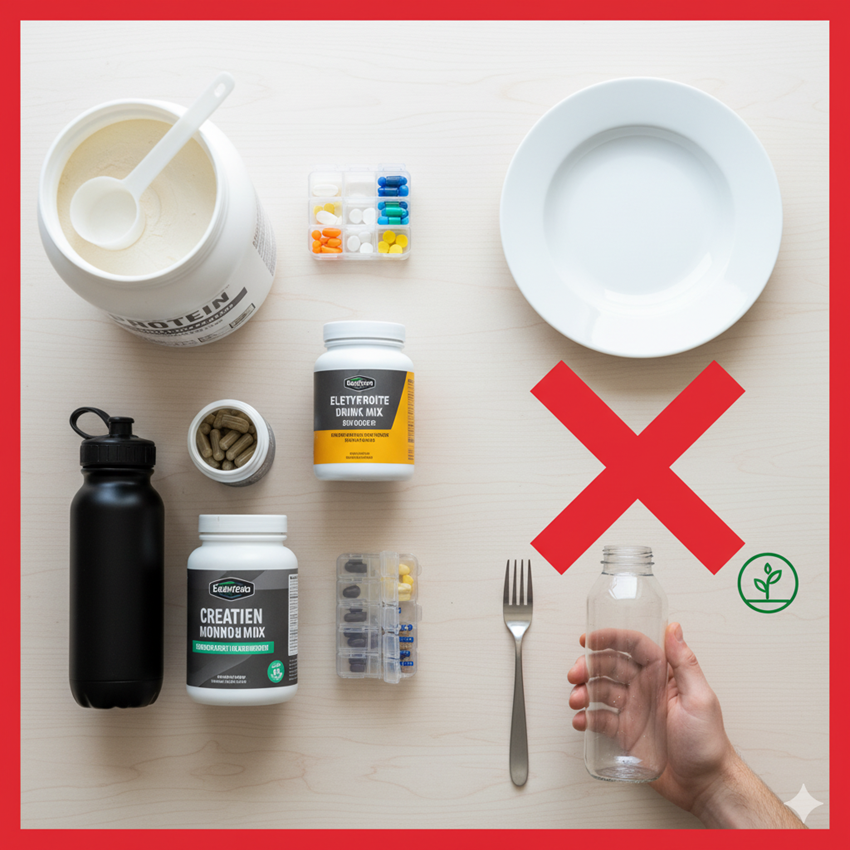
Mistake #1: Chronic Under-Fueling (RED-S Risk)
The Problem: Alarmingly, research shows 42% of cyclists doing concurrent training consume 500-1000 calories below needs, leading to Relative Energy Deficiency in Sport (RED-S).
Signs You’re Under-Fueling:
- Declining power numbers despite consistent training
- Frequent illness or infections
- Mood changes, irritability
- Poor sleep quality
- Plateaued or decreased performance
The Solution:
- Calculate true energy needs: BMR × Activity Factor (1.7-2.3)
- Track intake for 1 week to identify deficit
- Gradually increase by 200 calories weekly
- Monitor morning heart rate variability (HRV)
Mistake #2: Protein Timing Errors
The Problem: Unfortunately, consuming all protein in 1-2 meals limits muscle protein synthesis to 2-3 hours post-meal instead of optimizing the full 24-hour period.
The Solution:
- Distribute protein across 4-5 feedings
- Never go >4 hours without protein during waking hours
- Include leucine-rich sources at each meal
- Pre-sleep casein for overnight recovery
Mistake #3: Inadequate Carbohydrate Periodization
The Problem: Essentially, eating the same carbohydrate amount daily regardless of training load leads to under-fueling on hard days and excess on rest days
The Solution – Carb Cycling Protocol:
- High days (double sessions): 8-10g/kg
- Moderate days (single session): 6-7g/kg
- Low days (rest/recovery): 3-4g/kg
- Match intake to glycogen demands
Mistake #4: Ignoring Micronutrient Density
The Problem: Unfortunately, focusing on macros while neglecting vitamins and minerals compromises adaptation and recovery.
Critical Micronutrients for Concurrent Training:
- Iron: 18mg/day (test ferritin regularly)
- Zinc: 11-15mg/day for testosterone support
- B-vitamins: Complex for energy metabolism
- Antioxidants: From whole foods, not supplements
Real-World Meal Plans and Implementation

High-Volume Training Day (4,000 calories)
5:30 AM – Pre-Morning Ride
- 1 cup oatmeal with banana and honey (80g carbs)
- 2 eggs + 2 egg whites scrambled (20g protein)
- 1 tbsp almond butter (8g fat)
- Coffee with MCT oil
8:00 AM – Post-Ride
- Protein shake: 30g whey + frozen berries + spinach
- 2 whole grain waffles with maple syrup
- Total: 35g protein, 90g carbs
11:00 AM – Mid-Morning
- Greek yogurt parfait with granola
- Apple with 2 tbsp peanut butter
- Total: 20g protein, 55g carbs
1:00 PM – Lunch
- 6 oz grilled chicken breast
- 1.5 cups jasmine rice
- Large mixed salad with olive oil
- Total: 45g protein, 90g carbs, 15g fat
3:30 PM – Pre-Strength Training
- Rice cakes with honey
- BCAA drink
- Total: 5g protein, 40g carbs
5:30 PM – Post-Strength Training
- Recovery shake with 40g protein, 60g carbs
- Banana
7:30 PM – Dinner
- 6 oz salmon
- Large sweet potato
- Steamed broccoli and asparagus
- Quinoa salad
- Total: 40g protein, 85g carbs, 20g fat
9:30 PM – Pre-Bed
- Casein protein shake with berries
- Small handful of almonds
- Total: 30g protein, 20g carbs, 10g fat
Daily Totals:
- Protein: 215g (2.3g/kg for 93kg cyclist)
- Carbs: 520g (5.6g/kg)
- Fat: 130g (29% of calories)
- Calories: 4,070
Recovery Day Plan (2,800 calories)
8:00 AM – Breakfast
- Vegetable omelet (3 eggs)
- 2 slices whole grain toast
- 1/2 avocado
- Total: 25g protein, 40g carbs, 20g fat
11:00 AM – Snack
- Protein smoothie with berries
- Total: 25g protein, 30g carbs
1:00 PM – Lunch
- Large salad with grilled chicken
- Olive oil vinaigrette
- Whole grain roll
- Total: 35g protein, 45g carbs, 15g fat
4:00 PM – Snack
- Cottage cheese with pineapple
- Handful of walnuts
- Total: 20g protein, 25g carbs, 15g fat
7:00 PM – Dinner
- Grass-fed beef stir-fry
- Brown rice (1 cup cooked)
- Mixed vegetables
- Total: 35g protein, 60g carbs, 20g fat
9:30 PM – Pre-Bed
- Casein shake
- Total: 25g protein
Daily Totals:
- Protein: 165g
- Carbs: 200g
- Fat: 90g
- Calories: 2,810
Hydration Strategies for Dual-Discipline Athletes

Advanced Hydration Protocol
Daily Baseline Requirements:
- Rest days: 35-40ml/kg body weight
- Training days: 40-50ml/kg + sweat losses
- Double session days: 50-60ml/kg + losses
Sweat Rate Calculation:
- Weigh yourself naked before training
- Train for 1 hour without drinking
- Weigh yourself naked after training
- Weight loss in kg = liters of sweat per hour
Electrolyte Replacement Strategy:
- Sodium: 300-700mg per hour during training
- Potassium: 150-300mg per hour
- Magnesium: 50-100mg post-training
- Add salt to meals: 1/4 tsp with each meal on training days
Hydration Timing:
- Upon waking: 500-750ml
- 2-3 hours pre-training: 500ml
- 30 min pre-training: 250ml
- During training: 500-1000ml/hour
- Post-training: 150% of fluid losses
- Throughout day: Consistent sipping
Troubleshooting Performance Issues
“I’m Not Recovering Between Sessions”
Nutritional Interventions:
- Increase total calories by 10%
- Add 0.2g/kg protein to current intake
- Implement tart cherry juice (480ml daily)
- Ensure 8-10 servings fruits/vegetables
- Check vitamin D status
“My Power Has Plateaued Despite Training”
Potential Solutions:
- Audit actual vs. needed calorie intake
- Increase carbs to 8g/kg on hard days
- Add creatine supplementation
- Time caffeine strategically (not daily)
- Implement periodic refeed days
“I’m Gaining Too Much Weight”
Strategic Adjustments:
- Reduce calories by maximum 300/day
- Maintain protein at 2.2g/kg
- Cut carbs on rest days to 3g/kg
- Increase NEAT (daily steps)
- Monitor body composition, not just weight
The Bottom Line: Your 90-Day Implementation Plan
For Weeks 1-4: Foundation Building
- Establish consistent meal timing
- Hit protein targets daily
- Master post-workout nutrition
- Begin creatine loading
Then For Weeks 5-8: Optimization
- Implement carb periodization
- Add targeted supplementation
- Fine-tune pre/during workout fueling
- Track performance metrics
Weeks 9-12: Mastery
- Adjust calories based on results
- Perfect competition nutrition
- Develop personalized protocols
- Plan next training cycle nutrition
Conclusion: Fueling Your Strongest Season Yet
Successfully implementing a diet for strength training as a cyclist requires more than following generic advice—it demands understanding the unique physiological demands of concurrent training and applying evidence-based nutritional strategies consistently. The cyclists who master this integration don’t just get stronger; they revolutionize their entire performance capacity.
Remember, nutrition is the foundation that allows your training adaptations to occur. Without proper fueling, you’re not just limiting gains—you’re potentially undermining months of hard work. Start with the fundamentals outlined here, track your progress meticulously, and adjust based on your individual response.
Your breakthrough season starts with your next meal. Make it count.
Best-Selling Cycling Products on Amazon
Garmin Edge 530 Bike Computer – Track your training load and recovery metrics with advanced performance monitoring to optimize your concurrent training program. Order Now
CamelBak Podium Chill Insulated Water Bottle – Maintains optimal drink temperature for proper hydration during long training sessions. Buy Today
Park Tool PCS-10.3 Home Mechanic Bike Repair Stand – Professional-grade maintenance station for keeping your equipment in peak condition. Get Yours
Wahoo KICKR Core Smart Trainer – Perfect for structured indoor sessions when combining cycling with strength training schedules. Shop Now
We are an Amazon affiliate and earn from qualified Amazon purchases with no cost to you. This is for ANY product that you purchase through our links.
If you enjoyed this comprehensive guide, visit cyclingstrengthtraining.com for more evidence-based cycling performance content. Subscribe to our YouTube channel, Bicycle Restoration Man, for detailed restoration videos and training tips. Join our community of performance-focused cyclists!
Medical Disclaimer: This article provides general information and should not replace professional medical or nutritional advice. Consult with a registered dietitian or sports nutritionist before making significant dietary changes, especially if you have underlying health conditions.
Author Bio: This guide was developed in collaboration with sports nutritionists, exercise physiologists, and professional cycling coaches who specialize in concurrent training methodologies. Content is regularly updated to reflect the latest research in sports nutrition and cycling performance.